

Foreign Currency and Card Use on Holiday: Practical Budget Management Tips
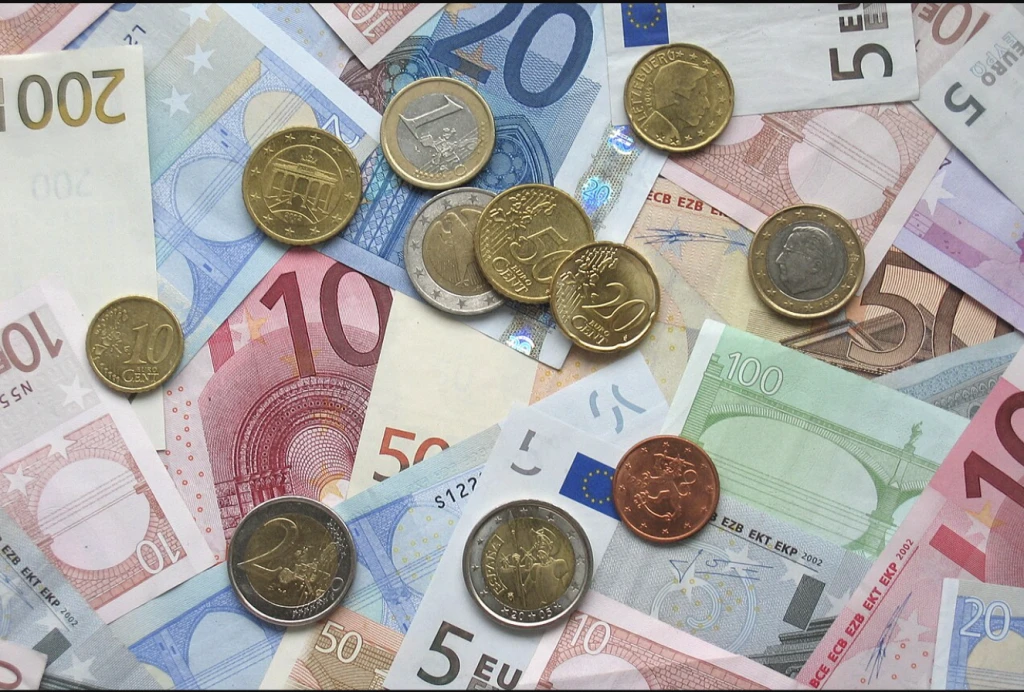
Managing your holiday budget is one of the most practical things you can do with currency and card use. Planning these well, from carrying cash to using your cards, can help you avoid both unnecessary expenses and security risks while on holiday.
Cash or Card?
Although paying by card is common in most countries, you may need cash at small businesses, for taxis, and at local markets. Carrying a small amount of cash to cover the first day of your trip will help you feel secure if you run into card problems; however, carrying your entire budget in cash increases the risk of loss or theft.
What to Consider When Exchanging Currency
Airport currency exchange counters may apply higher exchange rate margins than authorized institutions in the city center. If possible, it can be more advantageous to exchange a small amount at the airport and the rest at a reliable place in the city center. Before exchanging currency, it is useful to compare current exchange rates and commission rates.
Using Your Card Abroad
Informing your bank before using your card abroad reduces the risk of it being blocked for security reasons. Since foreign transaction fees and currency conversion commissions vary from bank to bank, learning about these fees before you travel will help you avoid unexpected expenses. When withdrawing cash from ATMs, a fixed fee may be charged per transaction, so making fewer, larger withdrawals is generally more economical than frequent small ones.
Practical Tips for Budget Tracking
Creating a plan for average daily spending before your trip helps you keep your budget under control throughout the holiday. Paying for major items such as accommodation and transportation in advance and setting aside a budget only for daily expenses like food, drinks, and activities makes it easier to track your spending.
Economical Holiday Options
If you want to take a holiday without stretching your budget, you can take a look at our guide to budget-friendly holidays under 500 Euros. To explore all overseas holiday options, you can visit our International Tours category.